Wednesday, July 28, 2010

Delhi - Those Times and Lives - 2

(Continued excerpts from The Last Mughal by William Dalrymple)

(Picture Courtesy: i.dailymail.co.uk)
As the cantonment memsahibs awaited the return of their menfolk from the parade ground, inside the city walls Padre Jennings would be conducting the early morning service in the hush of St. James Church. Soon the courts to one side of the graveyard would come to life too: the two chief magistrates, John Ross Hutchinson and Charles Le Bas, would already be in their offices, as would their assiduous assistant, Arthur Galloway, and the Sadr Amin Mufti Sadruddin, often known by his pen-name Azurda. At the same time, riding in through Kashmere Gate, Theo Metcalfe, the other joint magistrate, would be
heading late towards his day's work, regretting that he had not prepared his briefs as thoroughly as he might have, and that he had not been up as early as his father, who had already conducted half his day's business, besides taking a swim, organising the household and reading the papers. George Wagentrieber would be up too. Having kissed his wife Elizabeth goodbye, he would now, like Theo, be heading down from the Civil Lines to the Kashmiri Gate offices of the Delhi Gazette, to begin his day of writing and proofreading the latest issue.
Painting by Canadian artist and writer Michael Kluckner (michaelkluckner.com) 
Among the people of Delhi, the poor woke long before the rich. As the sun rose, and as the British were returning from their morning rides and preparing for breakfast, up near the shrine of Qadam Sharif, the first bird catchers were laying their nets and baiting them with millet, to catch the early birds out for their morning feed. Past them on the dusty road came the sellers of fruit and vegetables, some on bullock carts, most trudging on foot, streaming in from the villages of the Doab down the Alipore road, bringing their goods to the new suburb of Sabzi Mandi just outside the Kabul Gate, to the north-west of the city.
"Puja" painting by English artist Jon Duplock, 2009 (jonduplock.com/) 
At the Raj Ghat, the earlier-rising Hindu faithful - at this time of day women in their cotton saris far outnumbering the men - were streaming out to perform their pujas and have their morning bathe in the waters of the holy Yamuna before the crowds gathered and the dhobis appeared. Only the pandits kept them company this early in the morning: in small shrines lining the banks of the river up to Nigambodh Ghat, where according to Delhi legend the Vedas emerged from the waters, the bells were ringing now for the morning Brahm Yagya, celebrating the creating and re-creating of the world over and over again, morning after morning. As the differently pitched bells sounded against the Sanskrit chants, so in the dark of the inner sanctum the camphor lamps circled the images of Vishnu and the marigold-strewn black stone Shiva lingams.
From deep inside the city - from the Maszid Kashmiri Katra in the south to Fatehpuri Maszid in the west, to the great Jama Maszid itself and on through to the elegant riverside minarets of the Zinat-ul-Masajid - the last cries of the dawn Azan could now be heard, each call slightly out of time with the one before it, so that the successive cries of spiritual longing and assertion came to the listener on the riverbank in a series of rolling waves. In the silence that followed the end of the call to prayer, the songs of the first Delhi birds could suddenly be heard: the argumentative chuckle of the babblers, the sharp clatter of the mynahs, the alternating clucking and squealing of the rosy parakeets, the angry exclamation of the brain fever bird, and from deep inside the canopy of the fruit trees in Zafar's gardens at Raushanara Bagh and Tis Hazari, the woody hot-weather echo of the koel.
(To be continued..)

Also in the series:
Delhi - Those Times and Lives - 1  

About the sketches and paintings
The paintings I have used in this post are by two artists - Michael Kluckner and Jon Duplock. 
Michael is a Canadian artist and writer while Jon is an English artist. Both of them have painted / sketched India in their different styles. Both have gracefully allowed me to use these images. 
For more details, you could visit their websites mentioned below their works.

Thursday, July 22, 2010

वाह ताज बोलिए!

पिछले सप्ताहांत आगरा और फतेहपुर सीकरी हो कर लौटा हूँ. ताजमहल, सिकन्दरा (अकबर का मकबरा) और फतेहपुर सीकरी देख कर.
जी, पहली बार.
ताजमहल की हजारों तस्वीरों ज़ेहन में लिए हुए था. फिर भी, असल चीज को देखना एक भौंचक्का कर देने वाला अनुभव था.
पूर्वी दरवाजे से पहली झलक में ऐसा लगा जैसे अँधेरे के पार एक जादुई संसार चमक रहा हो. और इस शानदार ईमारत के रु-ब-रु हो कर तो वाकई माना कि इसे संगमरमर में ग़ज़ल यूं ही नहीं कहा गया है. यह फख्र होता है कि दुनिया के पर्यटन नक़्शे पर इतनी कद्दावर निशानी हमारे पास है.
पर इसको दुनिया को परोसने के लिए थोड़ी मेहनत और करने की ज़रुरत है.
कमोबेश यही हालत फतेहपुर सीकरी और सिकन्दरा की है.
दोनों शानदार जगह हैं. पर अब नए ज़माने के लिए इन्हें, कहना चाहिए कि थोडा user - friendly बनाना चाहिए.
नए, पढ़े-लिखे, इतिहास में रुचि रखने वाले गाइड हों, कुछ ऑडियो-विजुअल तकनीक की मदद हो, गंदगी कम हो, बिजली की व्यवस्था पूरी हो (ताजमहल का संग्रहालय हम इसी लिए नहीं देख पाए क्यूंकि बिजली नहीं थी)... कुल मिला कर देखने वाले के समक्ष वो पुराना संसार जीवित कर देने की ललक और समझ हो तो क्या बात हो.
पर फिर भी, वाह ताज! तो कहा जायेगा, और अब पूर्णिमा की इक रात को वापिस आने का मौका तलाशा जायेगा.
लीजिये, कुछ तस्वीरें नज़र हैं -

सिकन्दरा (अकबर का मकबरा)


सिकन्दरा का मुख्य (दक्षिण) दरवाज़ा 


अकबर के मकबरे के भीतर से बाहर की ओर


बुलंद दरवाज़ा (फतेहपुर सीकरी)
 

फतेहपुर सीकरी के भीतर 


शेख सलीम चिश्ती की दरगाह 


सीकरी का दरवाज़ा 


ताज का पूर्वी दरवाज़ा 


पहली झलक 


वाह ताज! 

वाह ताज - एक बार फिर!

एक मीनार 


हाथ छुए तो गात मैला हो!

ताज के बराबर में मेहमानखाना 


ताज के बराबर में मस्जिद 

अक्स 

Friday, July 16, 2010

तालिबानी ऑटो? या, Your friendly neighborhood agony aunt?

मिलेनियम सिटी गुडगाँव के एक ऑटो में लिखे इस मजेदार फरमान को क्या कहा जाये, खुद ही फैसला कीजिये.
(चित्र के लिए माधव को धन्यवाद)

Sunday, July 11, 2010

Delhi - Those Times and Lives - 1

In my post The Last Mughal, I had promised that I would serialize the portions of this book by William Dalrymple, depicting the daily lives of the Dilliwalas of those times - Indians and English.
This is the first in the series - Enjoy!

(Painting - Delhi Gate; taken from the Wikipedia)

During the early 1850s, it sometimes seemed as if the British and the Mughals lived not only in different mental worlds, but almost in different time zones.
The British were the first up: in the cantonments to the north of the Delhi civil lines, the bugle sounded at 3.30 a.m., a time when the poetic mushairas of the Mughals were still in full flow in the Red Fort, and while in the kothis of the courtesans in Chauri Bazar the dancing and ghazal singing were drawing to a close, and the girls were progressing to the more intimate stage of their duties. As the Mughal poets and courtesans raised their different tempos, sleepy, yawning Englishmen like Captain Robert Tytler, a fifty year old veteran of the 38th Native Infantry, or Lieutenant Harry Gambier, an eighteen-year-old Etonian newly arrived in India, would be sitting up in bed as their servants attempted to shave them and pull on their master's stockings. A long session of drill in the cantonment parade ground lay ahead.
Two hours later, by the time the sun was beginning to rise over the Yamuna, and the poets, the courtesans and their patrons were all heading back to bed to sleep off their long nights, not only the soldiers but also the British civilians would be up and about and taking their exercise. A woman like Harriet Tytler, the brisk and no-nonsense wife of Robert, or the English community's great beauty, the lovely young Annie Forrest, to whom Harry Gambier was already writing politely admiring letter, would have been back from their morning rides round the cantonment: in order to protect a lady's complexion, it was considered advisable to ride much after sunrise.
By six, Harriet would be busy supervising her large staff of servants in her screen-darkened bungalow. The first task was preparing for the enormous breakfast without which no English-man in Victorian India would consider starting his day: at the very least a selection of 'crumbled chops, brain cutlets, beef rissoles, devilled kidneys, whole spatchcocks, duck stews, Irish stews, mutton hashes, brawn of sheep's heads and trotters, not to mention an assortment of Indian dishes such as jhal-frazie, prawn do-piaza, chicken malai and beef Hussainee. Added to the list were a number of Anglo-Indian concoctions such as kidney toast Madras style, Madras fritters, and leftover meat minced and refried with ginger and chillies. Then of course there was the ultimate Anglo-Indian breakfast dish of kedgeree, a perennial favourite, even though in Delhi it was considered most inadvisable to eat fish in high summer*.
(*From the footnote: Overeating remained a leitmotif of British life in India right up to 1947. As late as 1926 Aldous Huxley was astonished by the sheer amount of food the imperial British were capable of consuming: 'Five meals a day - two breakfasts, luncheon, afternoon tea and dinner - are standard throughout India. A sixth is often added in the big towns where there are theatres and dances to justify late supper. The Indian who eats at most two meals a day, sometimes only one - too often none - is compelled to acknowledge his inferiority...The Indians are impressed by our gastronomic prowess. Our prestige is bound up with overeating. For the sake of empire the truly patriotic will sacrifice his liver and his colon, will pave the way for future apoplexies and cancers of the intestine...)

To be continued

Tuesday, July 06, 2010

The Why of Painting

Following is a beautiful quote by the renowned American painter Robert Henri, which I stumbled upon on the internet while researching some paintings.
Such a sublime truth it states with so much simplicity, that I could not resist sharing it with you. Here it is:

" The object of painting a picture is not to make a picture - however unreasonable this may sound. The picture, if a picture results, is a by-product and may be useful, valuable and interesting as a sign of what  has passed.
The object which is at the back of every true work of art, is the attainment of a state of being, a state of high functioning, a more than ordinary moment of existence."


(A painting by Robert Henri taken over internet from Artnet.com)

Sunday, July 04, 2010

The Last Mughal


After the White Mughals and City of Djinns, the third book by William Dalrymple, which I have just finished reading, is The Last Mughal. And yet again, I have been rewarded with a thoroughly satiating, enjoyable & of course, hugely informative, read. It is painstakingly researched history served akin to an interesting story – complete with a thrilling plot, fleshed out characters, detailed atmosphere and background, and an end full of pathos.  

The Last Mughal is a heart-rending account of the historical events in Delhi during 1857, when emperor Bahadur Shah Zafar of the once mighty Mughal emperor made one last attempt to reclaim its fast fading glory from the British, by riding on the crest of Uprising of the Indian sepoys employed with the East India Company.

In absence of a strong leadership and a cohesive and sustained attack, however, the initiative of the rebels was soon lost, leading to the British company giving a final death blow to the Mughal empire. Bahadur Shah Zafar was deported with his family like an ordinary criminal to another British colony Rangoon, where he died unknown some years later. It was after this that the British became the undisputed masters of the whole of India for the next century or so. Interestingly, let me also put, it seems the idea of India actually took a shape after this.  

The Last Mughal is as much a story of the city of Delhi as it is of Bahadur Shah Zafar, the last Mughal emperor.  The renowned author Khushwant Singh is right when he says in his appreciation of the book that it would “bring tears to the eyes of every true Dilliwallah”.

William Dalrymple has this rare ability (for a historian, that is) of bringing empathy to not only the human characters but also to the city, as an organic being, a living pulsating whole of people. With  insightful interpretations of volumnious notes, and riding on a beautiful language, he has created the Delhi of yore as also the detailed sequence of events beautifully. 

There are two Delhis, in fact. One is the Mughal Delhi of Lal Qila, Ballimaran, Paharganj et al, engrossed in its mushairas, mehfils, kabootarbaazi, bazaars and the like. The other is English Delhi, a sort of a little English town the Company were trying to recreate in and around the Metcalfe House, Ludlow Castle, Civil Lines, Flagstaff Tower etc, with their chhota haaziri and Sunday Mass and breakfasts. And both of them, although living side-by-side, are miles apart in their living styles. (Chapter 3 "An Uneasy Equilibrium" consists such a beautiful juxtaposition of their daily lives, which I would like to serialise for your reading pleasure sometime soon).  

Along with all this empathy, Dalrymple succeeds in maintaining a complete objectivity as a historian towards all the principal casts of characters, which puts lots of things in perspective.

While strongly recommending this book, I would go so far as to say that it is time the "dry-as-dust" history books in our educational curriculum were replaced with such elegant narrative history, so that an entire generation could understand its historical coordinates more meaningfully.

Sunday, June 13, 2010

Jai Badri Vishaal

चरण, शरण गुरु, एक पैंडा* जाए चल,
सतगुरु कोट* पैंडा अग्गे होए लेत है.
* पैंडा - कदम; *कोट - सहस्त्र, हज़ार   
(Only the first step towards the refuge of the Guru, the believer needs take;
And He comes forward a thousand steps to receive and carry you along)

I am just back after paying my obeisance at one of the holiest Hindu shrines - Shree Badrinath, and the above beautiful baani from the Holy Gurbani of the Sikhs best describes what I acutely feel when I recall the multitudes of people thronging this mountain temple - some of them barely able to walk, others with nothing to shield themselves from the icy winds, yet others infirm with age or disease - but all of them having reached here to pray at the abode of their God .

Badrinath is a small temple town in the Himalayas on the banks of the mighty Alaknanda river and although one of the rather easily accessible dhams, it still takes 12 hours of an arduous uphill journey from Haridwar, full of treacherous roads, high mountains, deep gorges, lush green valleys, and of course an  occasional impatient driver.

Once you reach the dham, however, the effort seems worth it. I do not consider myself religious in the strictest sense of the word but there surely flows some divine undercurrent which charges your inner being. Then, the systematic arrangements in the temple, including an option of participation in aartis (prayers) to choose from, and the absence of pandas are a pleasant surprise.  
    
Just 3 kms ahead of Badrinath is the village Mana, which is the last Indian village before the  Chinese border 30 kms ahead. This village also houses the ancient Ganesh Gufa, the cave where supposedly the great epic Mahabharata was penned by Lord Ganesh. Owing to both these reasons, this village is also a great tourist attraction. The great Sikh pilgrimage site – Hemkund Sahib also lies enroute to Badrinath.

Notwithstanding your religious inclination, Badrinath is a place to be visited at least once, what with all the natural beauty spread around. All the travel information is easily available on the internet. What I would only suggest is to give a serious thought to book through the government tourism agency GMVNL (Garwhal Mandal Vikas Nigam Limited), which I found to be surprisingly efficient with probably the most cost-effective and reliable arrangements.  

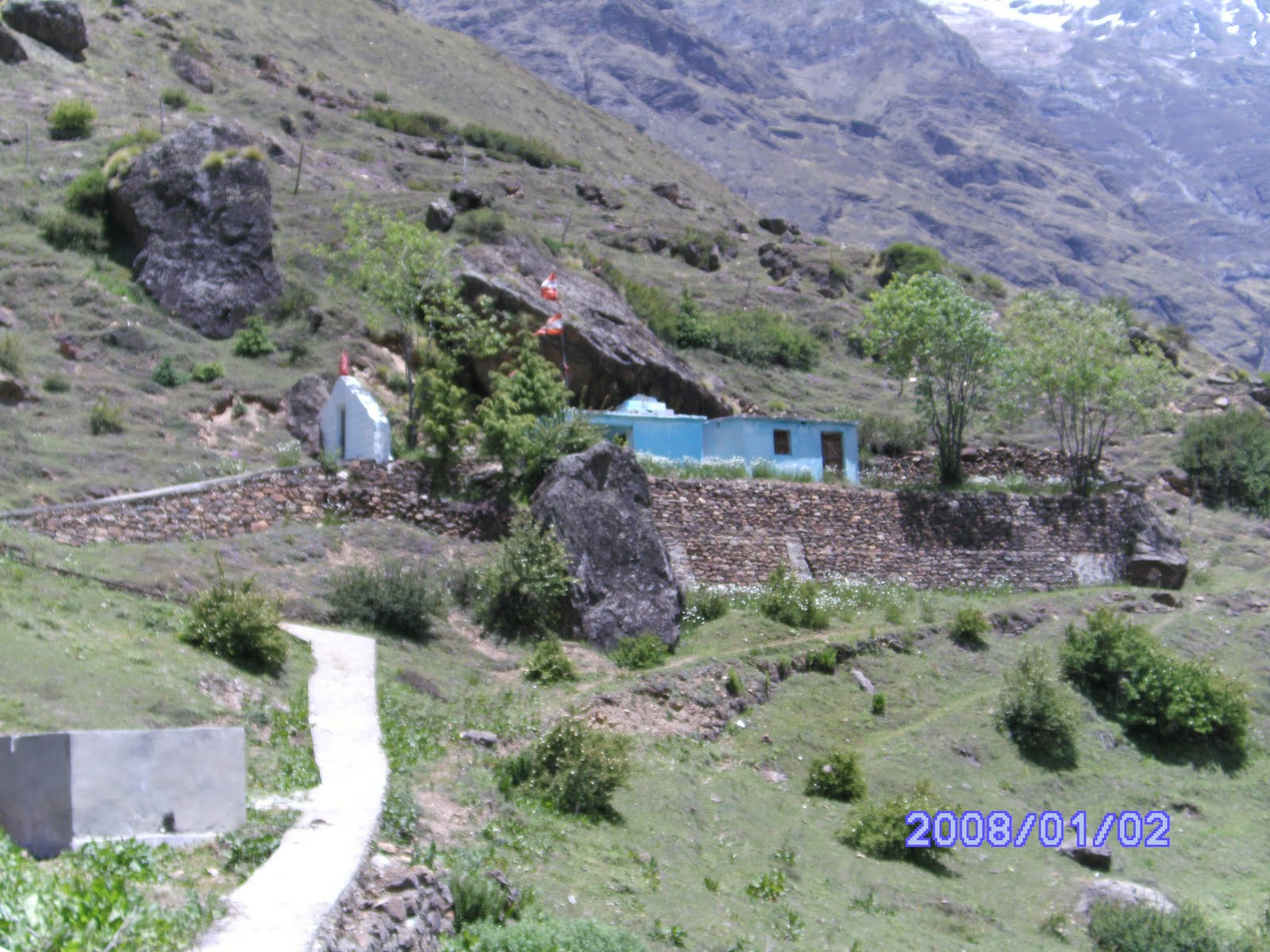
Below are some pictures for you (ignore the dates wherever printed on the pictures):
   
, 
Temple of Shree Badrinath Ji

The Lemon Juice Wallah on the Way

The Night Sky

Entrance to Village Mana

बंद गली का आखरी मकान.

Devprayag
Shree Ram Temple at Pandu Keshar

Neelkanth Mountain beyond Badrinath

VPO Mana

Near Mana
Triveni Ghat, Rishikesh

Ganga enroute


Har Ki Pauri, Haridwar


The Ganga Jal Seller


Inscription Near Village Mana


The Bazaar in Haridwar


The Sadhus at Work


The Sadhu Waiting for Work


A typical house in Mana


Need I say something?

Sunday, May 02, 2010

The Catcher in the Rye

I admit I was at first a tad disappointed when recently I got to pick up the famous book “The Catcher in the Rye” by JD Salinger. 
I mean, here was this book, which had supposedly influenced countless teenage minds and had been enjoying an almost iconic fan-following for more than 60years now! All of 200 pages!
Having read it, however, I can assure you that it is a meaty 200pages volume, which does all justice to the 'hype' surrounding it. This, even in face of the absence of any worthwhile story and fleshed out characters.
The Catcher in the Rye is about a teenager Holden Caulfield who has been expelled from his prep school just before Christmas, ostensibly because he is not being able to keep pace with the system. 
The whole book is a first person narrative of Caulfield as to how he spends this brief interlude of some days before reaching his home. During this time, he perceives, comprehends and tries  to come to peace with his inner demons as well as the societal and peer pressures. 
I would rather describe this book as a window, which opens on two sides. On one side is a teenage mind, full of all doubts, tensions, angst, and sexuality, so typical of teens. On to the other side is his family, society and the world as seen through his mind’s eye.  
For me, the highly noticeable part of the book is of course its narrative and the language through which Caulfield talks to the reader very effectively. Surprisingly, even though the book was written around WWII, I did not find the style even so much dated.
I am cautious that writing anything more would probably take away the fun out of your reading. What I would only do is to insist upon you to get your copy and read it NOW! 
You might also like to read something about this book on one of my favorite blogs Kabaadkhaana. 

Monday, April 19, 2010

Letter to the Editor

The saga of IPL is getting murkier by the day. What else would you expect when you have such an illogically huge amount of money flowing around, hidden behind bordering on incestuous team ownerships and lately, after the entry of the quintessential villain - the politician, even if unwittingly.
Today's Delhi edition of Indian Express contains my following letter, which is what I think of IPL:


Devil in IPL details
• Apropos the editorial ‘A dash of sunlight’, the whole Tharoor-IPL saga bears out the fact that doomsday calls of cricket puritans over the IPL format are not just empty rhetoric. In the huge marketing carnival that the IPL is, the glorious sport of cricket has been well and truly laid siege to, by obscene amounts of money, lots of tamasha and fluff. And Tharoor is just a trickle — with the kind of money pouring in and the convoluted nature of team ownerships, we can remain assured that there is a deluge of political connections just waiting to be brought to the open.
— Rahul Gaur, Gurgaon
If you wish to visit the Express online to read this (or something else, of course), visit here.

Gulaal


It was almost a year back that my friend Madhav recommended Gulaal to me. He even provided a DVD, only to be kept aside and forgotten. This afternoon, I took it out to watch and have been regretting why I had not watched it earlier.
Gulaal is admittedly not a very path-breaking film in terms of its basic plot, which is student politics, but treated in the deft hands of Anurag Kashyap, it has turned out to be an eminently watchable film. It was especially interesting for me because its taut screenplay runs against an authentic Rajasthani back-drop, which I thoroughly relished.
The almost apologetic protagonist of the film is Dileep Singh (played by Raj Singh Chaudhary), a shy university student who in the start of the film is befriended by a fearless Rajput student Ran’sa i.e. Rananjay Singh (played excellently by Abhimanyu Singh) and is thrown in to a vortex of student politics and an underground Rajputana separatist movement headed by Dukey Bana (Kay Kay Menon). Parallel threads of filial animosity, love and deceit run to take the film to a fitting climax.
For the benefit of non-Rajasthanis, let me digress to explain that ‘sa’ is suffixed to any shortened name to indicate affection mixed respect. Kapil, for instance, can become Kap’sa. Bana is a term of respect for highly placed Rajputs.
The taut screenplay crackles with energy throughout, riveting the audience with all the twists and turns, laced with all emotions – love, deceit, friendship, loyalty, enmity in equal measure. As for the acting, Kay Kay is superb as always. Ransa is surely a find as he leaves the maximum impact. Deepak Dobriyal is also too good as is Mahie Gill. As it happens with Anurag Kashyap’s movies, the film is blessed with a very fine characterization, as a result of which each actor shines in the given role –howsoever small it might be.
But there are two stars which, to me, ride over and above everything else in the film. First is Piyush Mishra, who plays the slightly eccentric and musically inclined elder brother (Prithvi Bana) to the character of Kay Kay Menon. Second is his music score for the film.
As an actor, the effect Piyush has brought on to the screen for this role is just unbelievable. And as the song & music creator, he has outshone himself. Just to give to you a sample, here is the song I liked the most – Ranaji, which is typical of his character in the film – conveying great meaning in seemingly meaningless rambling.
Do go and watch the film.

Thursday, April 15, 2010

एक पत्र भगवान् के नाम - ४

पिछली किस्त से जारी


मौसम सूखा और गर्म है - गर्मी तन से ज्यादा दिमागों में है, गर्मी बाहर सड़कों पर है, नारे लगाती भीड़ की भिंची मुठ्ठियों में है, गरीब की फटी बनियान में है, गर्म खून में है जो रगों में बहता है.
प्रभु, आपके समय में क्या मौत ठंडी, शांत होती थी? अब बदलाव आ गया है - मौत का सन्नाटा अब ऐसा डरा देता है कि पूछो मत! भूख से मौत, प्रकोप से मौत, आदमी की मौत से भी गन्दी, बदबू मारती, आदमियत की और उसके सपनों की मौत!
अभी परसों अपनी दुकान पर आने वाले, यू.आइ.टी. ऑफिस के एक बाबूजी एक शेर सुना गए. मुझे तो समझ आया नहीं लेकिन लोगों ने बड़ी वाह-वाह की, शायद सिचुएशन पर फिट बैठ रहा है -
ख्वाबों में सलाखें हैं,
सलाखों में ख्वाब हैं.
आशा करता हूँ कि आप को समझ आया होगा. अगले पत्र में मुझे समझाइएगा - अभी यहाँ ऐसे ही फिट करने की कोशिश की है.
अच्छा हाँ - पत्र वैगरह कुछ भेजें तो पहले पता कन्फर्म कर लीजियेगा. असल में आज कल देश को कुछ बदल रहे हैं - काफी बड़ा हो गया है, संभलता नहीं है न, इसलिए रोटी के जैसे टुकड़े कर रहे हैं - अपनी अपनी रखो, अपनी अपनी खाओ. भाईचारा, देश की एकता जैसे नारे अब धुंधले पड़ गए हैं, सो बदलाव मांगता है. तो कहने का मतलब ये कि कब अपना मोहल्ला एक अलग देश बन जाए, कह नहीं सकते.
खैर, पत्र बंद करूंगा - अब आप भी बोरे होने लगे होंगे, टी.वी. पर मुझे चित्रहार भी देखना है. फिर समाचार भी आयेंगे - मुन्नू की माँ को नहीं दिखाता ये चीज़ें - फिर नयी नयी फरमाइश करती है - यह ला कर दो, वह ला कर दो. मैडम को नमस्कार कहियेगा, मुन्नू की माँ भी चरण स्पर्श कहाती है.
अगली बार पत्र थोडा entertaining लिखने की कोशिश करूंगा. स्टार टी.वी. के बारे में लिखूंगा, नाच गान के बारे में लिखूंगा, बड़े होटलों के बारे में, शो-रूमों के बारे में, फिल्मों के बारे में लिखूंगा. वादा करता हूँ प्रभु, अबकी असलियत नहीं लिखूंगा.
कोशिश करना पधारने की, फिर कोई नया अवतार लेने की - हमारी भी approach हो जाएगी ऊपर में और शायद, सपने बेचते नेता, आतंकित करने वाली पुलिस, थका देने वाली फाइलें, द्रौपदियों के चीर-हरण, बारूद की गंध, सिसकती हुई इंसानियत - कुछ तो रुकेगा.
अच्छा, चरण धोक
आपका भक्त
चन्दन दास पान वाला. 

समाप्त.

लीजिये, यह व्यंगय तो समाप्त है पर इस के पीछे भयावह बात यह है, जैसा के मेरे मित्र मनीष ने भी मुझसे कहा, कि १५ - २० सालों पुराना पत्र आज भी कितना कुछ प्रासंगिक है!! उफ़, कब कुछ बदलेगा!!

पहली किस्त - एक पत्र भगवान् के नाम - १
दूसरी किस्त - एक पत्र भगवान् के नाम - २
तीसरी किस्त - एक पत्र भगवान् के नाम - ३

Sunday, April 11, 2010

Use Me

"By using "Use Me"!!
बहरोड़ मिडवे (दिल्ली-जयपुर राजमार्ग) वालों का सफाई के प्रति इतना गहरा आग्रह देख कर अच्छा लगा लेकिन अनुप्रास अलंकार  की भी हद है यार.
Dustbin का प्रयोग किया जा सकता था, नहीं?  

Letter to the Editor

A recent issue of Outlook carried an essay by the celebrated essayist and writer Arundhati Roy on Naxals / Maoists of Dantewada and other hotspots of Chhatisgarh and AP. I suggest you read the essay - it does give you a good picture, though a slightly distorted one.
My take on this essay is carried in the following letter published in the latest Outlook dated April 19th 2010:

www.outlookindia.com: "Arundhati Roy has obviously expended considerable energy in reporting from ground zero, but I dare say that the essay tends to romanticise the Maoist cause. She has conveniently glossed over all the needless murders and incidents of looting, arson and vandalisation these ‘comrades’ have been committing in the name of justice and alternate governance. It also seems from the essay that the whole movement is now itself victim to the adage, ‘the more things change, the more they remain the same’. What with different departments and an elaborate hierarchy, the janatana sarkars are beginning to resemble the same labyrinthine, faceless entities, without spontaneous popular support—much like the system the Naxalites are purportedly fighting against.

RAHUL GAUR, GURGAON"

Friday, April 09, 2010

एक पत्र भगवान् के नाम - ३

पिछली किस्त से जारी.


भेंट वाला चक्कर आप की समझ में नहीं आया होगा - आप के वहाँ इंडियन एक्सप्रेस नहीं आता क्या? पिछले सालों से ऐसी ही एक भेंट का काफी चक्कर चला है.
खैर, मैं बताता हूँ.
आपके समय में न्याय मांगने वालों की भीड़ लगी रहती थी, आप भी परेशान रहते थे (उस समय आप कितने दुबले हो गए थे). अब ऐसा चक्कर ख़त्म.
भीड़ तो अब भी रहती है - नारे लगाती भीड़, चीखती भीड़, लेकिन आप पीछे के दरवाजे से भेंट चढ़ाव और हाथों-हाथ न्याय मिलता है (इस न्याय की विशेषता यह है कि यह हमेशा आप के हक में रहेगा - बशर्ते सामने वाली पार्टी ताक़तवर न हो).
पासपोर्ट बनवाने से  लेकर गैस का कनेक्शन लेने तक, बच्चों का स्कूलों में दाखिला करने से लेकर उनको नौकरी लगवाने तक सब इसी भेंट की माया है. "दाम में दम, काम में दम" वाली उक्ति यहाँ चरितार्थ होती है.
पत्र शायद लम्बा हो गया है, लेकिन इतना समय भी कभी कभी ही निकल पाता है. और फिर, आप सा सुनने वाला भी कहाँ मिलेगा!
आज घर बैठा हूँ, बाहर कर्फ्यू लगा हुआ है. आशा है आपके वहाँ इस किस्म के खेल कूद नहीं होते होंगे. कर्फ्यू का भी एक अलग ही एक्सपेरिएंस है भगवन - पुलिस स्टेशन से पुलिस और छावनियों से फौज को उठा कर अशांति वाले इलाकों में भेज दिया जाता है कि जाओ जंग करो, यहाँ बैठे बैठे जंग मत खाओ. अगर बाहर किसी से नहीं लड़ सकते तो अन्दर ही लड़ के अपनी भड़ास निकालो.
तो कवायद सड़कों पर होती है, चौराहों पे होती है - आम आदमी को बाहर निकलने की इजाज़त नहीं होती, राशन नहीं मिलता, दवाइयां नहीं मिलती. लेकिन बंदूकों के साए में शांति स्थापित हो जाती है, फिर कर्फ्यू-ग्रस्त क्षेत्र से कहा जाता है कि यहाँ पूर्ण शांति है. यह अशांति भी हमारे राजनीतिज्ञ ही करवाते हैं - पुलिस, फ़ौज और प्रशासन को समय-समय पर टाईट करते रहने के लिए.
बाकी कुछ विशेष नहीं है - वैसा ही जैसा पिछले 45 सालों से चल रहा है - राशन की दुकानों पर वही लम्बी कतारें हैं; भूखा आदमी वैसे ही आश्वासन और खून के घूँट पी रहा है.
ज्यादा आबादी हमें करनी नहीं है, इस लिए 15 लाख से ज्यादा बच्चे 5 साल की उम्र से पहले भूख और बीमारी से मर रहे हैं.
पड़ोस वाले समाज सुधारक लाला जी का नौकर अभी भी रोज शाम को नियम से मार खाता है, फिर भी उनसे ही चिपटा रहता है.
टी.वी. पर वही मुस्कुराते चेहरे भारत माता के गाने गाते हैं, भारत को महान बताते हैं और स्टीकर पर चिपकी यह महानता ऑटो-रिक्शा पर टंगी घूमती है.
नन्हे, झुर्रियों भरे हाथ स्लेट - पेंसिल छोड़ कर कप-प्लेट धोते हैं.
रम्भा और मेनका के अनगिनत विकृत रूप आज भी नारी-सुधार के भाषणों तले दबते हैं.
बूढा किसान एक अंगूठे के जरिये अपनी किस्मत जमींदार के यहाँ गिरवी रखता है और लहलहाती फसल के सूखे डंठलों को बटोर कर बेटी की शादी करता है.
बाबू अपनी टूटी साइकिल पर "ब्लैक" की गैस का सिलिंडर लाता है.
जनता को आराम देने के लिए अभी भी काम रुकता है - हडतालें होती हैं, पहले गोरे सिपाहियों की लाठी खाते  थे, अब हमारे अपने जवानों की. आखिर, प्रभु, स्वदेशी में ही सबका भला है - अपने महात्मा जी कह गए हैं.
आप भी बंट गए है - आपको अजीब लगेगा लेकिन ऐसा हो गया ही. अपने लेवल पर आप सब भी अपने-२ चार्ज बाँट लीजियेगा.
(जारी)
 
पहली किस्त - एक पत्र भगवान् के नाम - १
दूसरी किस्त - एक पत्र भगवान् के नाम - २

Friday, April 02, 2010

एक पत्र भगवान के नाम - २

(पिछली किस्त से जारी)

भगवन, एक ख़ुशी की की बात यह है कि अपना मुन्नू पांचवी कक्षा में पास हो गया है. हेड-मास्टर साब हमारी ही दुकान पर पधारते हैं, पान खाने, और जब उनकी बिटिया के हाथ पीले हुए थे, उस समय हमने भी मुफ्त में हाथ बड़े लाल किये थे.
वैसे, मुन्नू खेलने में बड़ा माहिर है - कितनी बार तो मैं उसे नुक्कड़ से गिल्ली डंडा खेलते हुए उठा कर लाया हूँ.
भगवन, मैं सिरिअस्ली सोच रहा हूँ - मुन्नू को खेल की लाइन पकडवा दें तो कैसा रहेगा? बड़ा होगा तो मौज करेगा - बाहर देशों में जाएगा, खूब पैसा कमाएगा, हर जगह हार जायेगा - और घर पर खूब गालियाँ खायेगा.
गालियों की आदत तो मैं डाल रहा हूँ - कान पक रहे हैं उसके.
और नयी खेल नीति की बात बहुत धड़ल्ले से करता है - मोहल्ले में उल्टा सीधा सुनता रहता है न, इसलिए. बार्सीलोना में जो कबड्डी प्रतियोगिता हुई थी, बड़े चाव से टी. वी. पर देखी उसने.
बार्सीलोना आप गए नहीं होंगे कभी - वैसे अब कभी जाओ, तो यह मत कह देना कि भारतीय हूँ - लोग बाग़ उलटे सीधे मज़ाक करते हैं. अब आप पूछेंगे कि मज़ाक क्यूँ? कहते हैं हम इतने लोग खेलने कूदने गए और कोई पदक वगैरह नहीं लाये. उन्हें अब क्या समझाएं कि अरे भैया, जितना सोना देश में हैं, उसे ही हम गिरवी रख रहे हैं, अब और ला कर क्या करेंगे? और इज्जत का क्या है - वह तो आनी जानी है - बाहर घूम आते हैं, किताबों के कवर पर छप जाते हैं, यह क्या कम है? मुन्नू ने तो ऐसी बातें सुन सुन कर भारतीय टीम का एक गाना बना लिया था - न मांगू सोना चांदी, न मांगू हीरा मोती....
और भगवन, अब राजनीतिज्ञों की चौपाल - संसद - में यह बातें चल रही हैं कि हम क्यूँ हारे? नतीजा निकला - नीति ख़राब है. अरे, नीति किस चीज में अच्छी है तुम्हारी, जो तुम खेल नीति को दोष दे रहे हो! आपके जमाने के जो विदुर जी थे, उन तक की नीति तो कैसेटों में बंद है, जनता चीर-हरण देख लेती है, और नीति की बात आते ही कह देती है - लाइट चली गयी.
और बार्सीलोना में कुछ लोग अपने स्टेटस से अच्छा खेल गए तो इसका हमारे पास क्या इलाज है? एक देश है भगवन, टोटल हमारे मोहल्ले जितना, और इतने सारे पदक ले गया! अरे छोटा मुंह बड़ी बात - जितना सम्भाला जाए, ले जाओ, बाकी छोड़ दो, मौका पड़ा तो हम बटोर लायेंगे. नहीं तो, किसी को कुछ भेंट दे देंगे, काम हो जायेगा. हमारे यहाँ तो इस "भेंट" से कई काम निकल जाते हैं.
 
पहली किस्त - एक पत्र भगवान के नाम - 1

Tuesday, March 30, 2010

एक पत्र, भगवान के नाम - 1

बीस साल पहले करीब 1991 - 1992  में, जब मैं उदयपुर में इंजीनियरिंग कॉलेज की बदनाम गलियों को सुशोभित कर रहा था, कॉलेज मैगजीन के लिए मैंने एक व्यंग लिखा था, भगवान् के नाम एक पत्र की शक्ल में.
पिछले रविवार को रद्दी खंगालते हुए यह हाथ लगा. पढ़ा तो देश-काल की बहुत सी यादें ताज़ा हो आयी, बहुत से घटनाक्रम आँखों के आगे घूम गए. और फिर, आप से साझा करने को दिल किया. आशा करता हूँ कि आप ख़ुशी ख़ुशी झेल लेंगे.
पत्र थोडा लम्बा है, इस लिए आज पहला भाग. शेष आगे. और फोटो में - हमारा कॉलेज.  

आदरणीय भगवान,
भक्त का सादर चरण स्पर्श स्वीकार होवे.
बहुत दिनों से आप का कोई समाचार नहीं है. आपसे मिलना भी चाहता था, कि कुछ देर बैठें, सुख दुःख की बातें करें, परन्तु आज कल यहाँ पर सिस्टम कुछ उल्टा चल रहा है - आप को खबर भी नहीं होगी कि आप को चेतक ब्रांड की कॉपी बना दिया गया है. आप के सर्वाधिकार राजनीतिज्ञों और बड़े धर्म-पुरुषों को ट्रान्सफर कर दिए गए हैं और आप से मिलने के लिए उन से आज्ञा लेनी पड़ती है.
अब वहां पर क्या जावें - पान की दुकान खोलने से पहले डिग्री ले कर कई चक्कर लगाये थे पर ऊपर तक पहुँचने ही नहीं दिया गया. नीचे वाले भाइयों ने काफी आश्वासन दिए पर सिर्फ आश्वासन पर ही अटक गए. कई दिनों तक उन वादों के ढेर पर बैठ कर इज्जत की चूइंग गम चबाई पर कुछ होता नहीं दिखा.
फिर यहाँ मेन मार्केट में पुलिस और मुनिसिपल्टी की मदद से एक पान भंडार खोल लिया है. आप की कृपा से धंधा अच्छा चल रहा है. शहर के बड़े ऑफिस के सामने है - बड़े-२ बाबू, छोटे-छोटे चपरासी और गिरे-गिरे नेता - सब आपके भक्त की दुकान पर ही पधारते हैं. एक सुकून तो मिला - यह साले देश को चूना लगते हैं, हम इन को भी चूना लगाने के काबिल तो हुए. खैर - अपनी बडाई खुद क्या करें - आप तो सब जानते ही हैं.
राजनीति से याद आया - अभी कुछ दिन पहले चुनाव हुए थे - चुनाव जानते हैं न आप? अच्छा हाँ, शायद आपके ज़माने में ऐसा कुछ नहीं था. चुनाव एक बड़ी मजेदार चीज़ है - देश के सारे लोग इस प्रक्रिया के ज़रिये यह फैसला करते हैं कि अगले पांच सालों तक हमें कौन बेवकूफ बनाएगा. फिर अगले पांच सालों तक बैठ कर सर धुनते हैं कि यार, अगर फलाना जीत जाता तो मुझे गैस का कनेक्शन मिल जाता, फलाना हार गया इसलिए बैंगन महंगे हो गए आदि आदि.
खैर - चुनाव हुए, कोई जीता कोई हारा - इस से तो आपको मतलब नहीं रखना चाहिए क्यूंकि आप का हाल तो यही रहेगा. हाँ - जो जीत गया, उसकी चांदी हो गयी, पीढियां तर गयी. आपने एक रीत चलाई थी न - गाय की पूँछ पकड़ कर वैतरणी पार करने की. आज कल नेताओं की धोती पकड़ कर वैतरणी पार की जाती है - पैसे की लाठी से हांक कर.
वैसे, पैसे के भी पंख लग गए हैं आज कल. आप का टाइम नहीं रहा कि बहुत खुश हुए तो चार सहस्त्र अशर्फियाँ दान कर दी. पैसा कभी ऊँचा उठ जाता है, कभी नीचे गिर जाता है. अरे हाँ - अपने एक जानकार हैं - मेहता जी (हर्षद) - आज कल तो बंबई में पुलिसियों से गुफ्तगू कर रहे हैं-उन्होंने तो कमाल कर दिया था. पता नहीं कौन सी कैंची का इस्तेमाल किया कि सारे पंख क़तर डाले और पैसा गिर पड़ा - उसे उठा कर जेब में रख लिया. लेकिन भगवान, इर्ष्या तो बड़े बड़ों को मार गयी! जिन्हें पता लगा कि यार कुछ हुआ और अपने तो कुछ हाथ ही नहीं आया, उन्होंने शोर मचा दिया .. और एक काबिल भाई वित्त-मंत्री बनते बनते रह गया.---  

Monday, March 15, 2010

Chak De!


Finally, I think, things might now be looking up for our forgotten national game - hockey. Above is an amusing sight which I captured for you - children playing hockey & each one armed with a cricket bat!! Talk about one game at the cost of another!
On a serious note, it is surely the result of the good performance of our national team in the recently concluded Hockey World Cup and the much needed marketing efforts, which have resulted in to a revived interest in the game. 
Even though our team is obviously leagues behind the Germans and the Australians, I have the feeling Hockey in India is this time on the verge of attaining the critical mass, which would get things going. 
     

Sunday, March 07, 2010

लापता गंज

घटिया टी.वी. सीरिअल्स और रिअलिटी टी.वी. की लगातार बढ़ती भीड़ के बीच इधर बहुत समय बाद एक बहुत प्यारा सा धारावाहिक देखने को मिल रहा है - लापतागंज.
सब टी.वी. पर रोजाना रात्रि १० बजे दिखाये जाने वाला यह सीरियल हमारे समय के एक तीखे व्यंगकार कवि, पत्रकार, नाटककार और संवाद लेखक - शरद जोशी की छोटी छोटी व्यंगात्मक कहानियों पर आधारित है.

धारावाहिक के केंद्र में एक छोटा कस्बा है - लापतागंज जो कि बिहार और उत्तर-प्रदेश के बीच कहीं स्थित लगता है और यहाँ रहने वाले पात्र, जो कमो-बेश पूरे हिंदुस्तान में कहीं भी हो सकते हैं. 
आज जबकि करीब करीब सारा मीडिया और फिल्में शहरी बातें करते नजर आते हैं, यह धारावाहिक असली हिंदुस्तान यानी कि छोटे गाँव और कस्बों के सरोकारों के, वहां के पात्रों की बात उन्ही की भदेस किस्म की जबान में करता है, जो कि एक ताज़ा हवा की तरह है. 
और यकीन मानिए, मैं यह रोमानी हो कर नहीं कह रहा हूँ. आज इस बात की बहुत ज्यादा जरूरत है कि हम शहरों में रहने वाले लोग हिंदुस्तान के दिल - यहाँ के गाँव और कस्बों को समझने की कोशिश करें न कि उन्हें ही भोंडे किस्म के शहर बनाने पे तुल जायें. 
शरद जोशी की लेखनी, जिसने हमें बहुत सी फिल्मों के संवाद दिए हैं (दिल है के मानता नहीं, उत्सव आदि), बहुत नाटक (मशहूर नाटक एक था गधा उर्फ़ अल्लादाद खान इन्ही का है)  और उपन्यास (हम भ्रष्टन के, भ्रष्ट हमारे आदि ) दिए हैं, इस धारावाहिक की जान है - इसके संवादों और स्क्रिप्ट के रूप में. और इस के सभी कलाकार अपने सरल अभिनय से एक निर्दोष हास्य पैदा करते हैं, जो न केवल गुदगुदाता है बल्कि अपने व्यंग की तीखी मार से हमें कचोटता भी है. लेकिन सबसे बड़ी बात - हमें हर हाल में खुश रहने का और अपने आप पर हंस सकने का माद्दा भी देता है.
इसी धारावाहिक के एक लोकप्रिय पात्र "कछुआ चाचा" की तर्ज़ में कहूं तो - कभी कभी यह देखा भी जाता है, कभी कभी यह देखा नहीं भी जाता है, पर पसंद बहुत आता है. 

Wednesday, February 24, 2010

Sachin - The God

Being a slothful creature that I am, the sporting world doesn't excite me greatly, not even vicariously. The sports pages of my newspaper are generally skipped over and I can not dream (pun intended) of sacrificing my sleep for a game. Neither is any sport personality in my hero worship league.
But then, Sachin is no ordinary sport personality and the cricket he plays is no ordinary sport. Sachin Tendulkar is the God of cricket.
Which he has amply proved today for the nth time in his career after smashing a double ton - the first by any player in One Day Internationals so far -against South Africa in the Gwalior one-day. Which is why he remains the only sportsman I truly admire.
His cricket is of course the one thing by which we all know him but my admiration is for the level-headed, no-nonsense person he remains, in spite of his obviously exalted position in the annals of the game and in spite of the glory of immense share of our collective Indian mindscape he occupies.
This is truly a virtue in this time of excesses of all kinds, where mediocre players & personalities lose no opportunity to throw their attitude around.
Congratulations to Sachin for this achievement and congratulations to all of us that we have had this opportunity to watch him playing in our times.  

Sunday, February 07, 2010

Gandhi - our adhesive

इस बार बात देश को जोड़ने और तोड़ने की.

इसी छब्बीस जनवरी को, जब टी.वी. पर "गाँधी" फिल्म दिखाई जा रही थी, मैंने इस अद्भुत और विलक्षण व्यक्तित्व (चाहे नाट्य रूपांतर ही सही) का करिश्मा एक बार फिर देखा और महसूसा.
हमारे देश में, खासकर मेरी पीढ़ी में, गाँधी को गाली देने का और उन्हें देश की दुर्दशा के बीज बोने का जिम्मेदार ठहराने का फैशन सा है. शायद ये इस लिए है कि हम बेईमान, भ्रष्ट और सत्ता-लोलुप राजनीतिज्ञों के समय में पले बढे हैं. ऐसे में, किसी ऐसे राजनीतिज्ञ की कल्पना कर पाना, जो वाकई निस्वार्थ भाव से देश के लिए जीने और मरने की ताकत और हिम्मत रखता था, अकल्पनीय है. 
अल्बर्ट आइन्स्टीन ने गाँधी के निधन पर कहा था - “Generations to come will scarce believe that such a one as this walked the earth in flesh and blood.” 
कोई आश्चर्य नहीं कि उस कठिन समय में इस आदमी ने पूरे देश से "बापू" और "महात्मा" का दर्ज़ा पाया और इसे निभाया. पूरा देश इस संत की आराधना में एक हो गया था, जुड़ गया था.

इसके उलट, छब्बीस जनवरी के बाद, फरवरी शुरू होते होते ही हमारे कुछ आधुनिक नेताओं ने राजनीतिक रोटियाँ सेकने की खातिर भारतीय जन-मानस को तोड़ने के अपने agenda को हवा दी है. 
ईकिंसवी शताब्दी में भी एक विशुद्ध कबीलाई सोच को जीवित रख कर और गरीब बेकार लोगों को क्षेत्र और भाषा के नाम पर उकसा कर  गुंडा-गर्दी मचा पाने में वो आज तक जैसे सफल हुए हैं, वो भयावह है. 

पर ख़ुशी की बात यह है कि इस बार, पहली बार यह लग रहा है कि middle-of-the-road, sensible thinking के बहुत से दावेदार उठ खड़े हुयें हैं. यहाँ तक कि घोर हिंदुत्व-वादी पार्टियां भी इनमे शामिल हैं. आशा है इस बार घृणा के बादल छंट पाएंगे और कुछ मंगलमय  होगा. 
जैसा गाँधी ने कहा था - When I despair, I remember that all through history the ways of truth and love have always won. There have been tyrants and murderers, and for a time they seem invincible, but in the end, they always fall. Think of it - always.


Related Posts with Thumbnails